Have you spotted “Mello-Roos” on a listing in Lincoln and wondered what it means for your budget? You are not alone. Many homes in growing areas carry this charge, and understanding it can help you compare properties with confidence. In this guide, you will learn what Mello-Roos is, how it shows up on your tax bill, where you are most likely to see it in Lincoln, and how to weigh it against HOA dues so you can plan a clear monthly budget. Let’s dive in.
Mello-Roos basics in Lincoln
Mello-Roos is a special tax created under California’s Mello-Roos Community Facilities Act of 1982. Local agencies form a Community Facilities District, known as a CFD, to finance public improvements that support new development. These can include roads, water and sewer lines, storm drainage, parks, and public safety or community facilities.
CFDs issue bonds and repay them with the special tax collected from properties inside the district. The tax formula and maximums are set in the CFD’s financing plan and engineer’s report, and property owners in the area authorize formation and taxation under state law. The special tax is tied to the parcel, not the owner.
The duration varies. Some CFDs last until the bonds are repaid, which can be several decades. Others have a stated end date or sunset earlier. The key is that the obligation stays with the property until the CFD’s terms say it ends.
How it shows on your tax bill
On a California secured property tax bill, Mello-Roos appears separately from the 1 percent base property tax. Look for a line under “Direct assessments” or “Special taxes.” The line will often show the CFD name or number and the annual amount due for that fiscal year.
Common bill sections include:
- Secured Property Tax (1 percent base)
- Voter-approved debt or parcel taxes
- Direct assessments or special taxes (this is where Mello-Roos appears)
- Other charges, such as landscape or school parcel assessments
Mello-Roos is billed annually with your property taxes, usually in two installments. For budgeting, convert the annual amount to a monthly figure so it fits your PITI calculation. If your lender escrows your property taxes, the Mello-Roos amount is typically included in that escrow payment.
Where you will see it in Lincoln
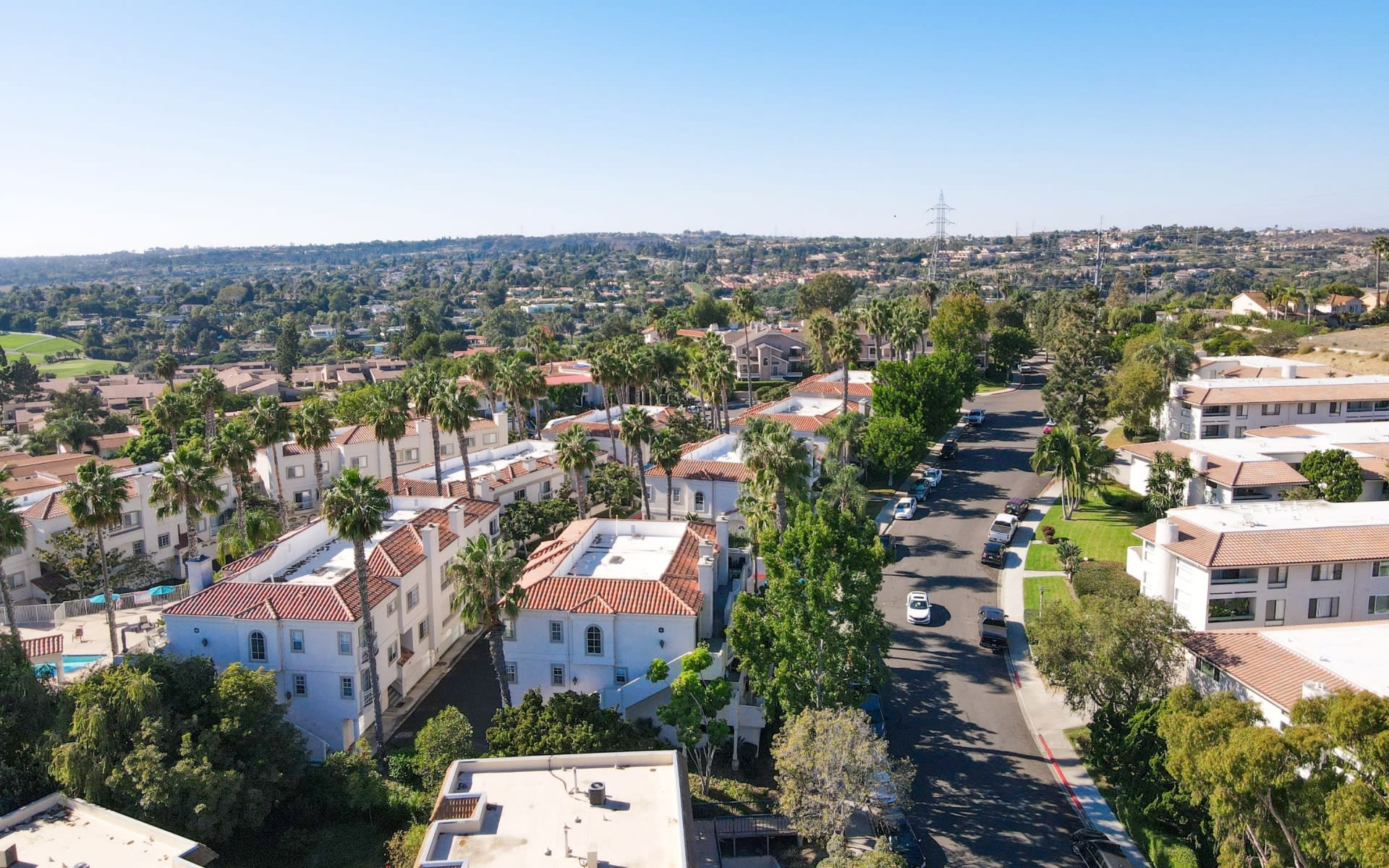
You are most likely to encounter Mello-Roos in newer or master-planned subdivisions that needed upfront public improvements. In Lincoln, many growth areas built since the 1990s and 2000s used CFDs to fund infrastructure. The presence and amount are property specific. The best way to know for sure is to check the official records for the parcel.
How to verify for a specific property
Use these sources in order of reliability:
- Placer County Tax Collector or Assessor records. Search the parcel to review the current tax bill line items and see if a CFD special tax is listed.
- Preliminary title report. Look for special tax, CFD, or special assessment entries tied to the parcel.
- MLS listing details and agent disclosures. Many listings include a Mello-Roos field and the annual amount. Ask for documentation.
- Seller’s Transfer Disclosure Statement and preliminary escrow documents. These should identify special taxes and assessments.
- City of Lincoln or Placer County community development or finance departments. Request CFD maps, engineer’s reports, or special tax formulas.
- CFD official documents. Review the engineer’s report, the bond official statement, and any Notice of Special Tax for schedules and formulas.
Mello-Roos vs HOA dues
Mello-Roos and HOA dues both affect your monthly cost, but they are not the same.
- Mello-Roos: A government special tax tied to properties in a CFD. Funds public improvements or repays bonds. It is mandatory for parcels in the district.
- HOA dues: A private fee to your homeowners’ association for maintenance, amenities, services, and reserves. Dues can change per the HOA’s rules and reserve needs.
Compare costs the same way
To compare homes fairly, convert all recurring charges to monthly amounts:
- Mortgage principal and interest
- Property taxes, including Mello-Roos
- Homeowners insurance
- HOA dues
- Utilities and any other recurring assessments
For example, if the annual Mello-Roos is $1,800, the monthly impact is $150. If HOA dues are $300 per month, the HOA is larger in this example. This is illustrative only. Always confirm property-specific numbers from official documents.
Questions to ask and document
- What is the exact annual Mello-Roos amount for this parcel and fiscal year?
- Is the tax fixed, variable by formula, or declining with the bond schedule?
- What is the remaining term or the scheduled end date?
- Will the lender escrow the special tax with property taxes?
- What are the current HOA dues, reserve status, and any planned special assessments?
Loan and escrow considerations
Lenders treat Mello-Roos as a recurring property obligation. Underwriting includes the annual special tax in your monthly housing expense, which affects your debt-to-income ratio and borrowing power. A higher special tax can reduce the loan amount you qualify for, especially when combined with HOA dues.
If your loan requires escrowed taxes, your lender will typically collect Mello-Roos through the escrow account along with the base property taxes. Confirm your lender’s documentation requirements early so there are no surprises during approval.
Tax treatment basics
The deductibility of Mello-Roos can be complex. In some cases, special taxes that function like real property taxes may be deductible. In other cases, assessments for direct benefits may not be. Because rules depend on how the tax is structured and on your tax situation, consult a qualified tax advisor or CPA.
What documents to review
Gather these items to confirm whether a Lincoln property has Mello-Roos and what it costs:
- Current property tax bill with all line items
- Preliminary title report listing special taxes or assessments
- CFD engineer’s report that shows the tax formula, maximums, and repayment schedule
- CFD formation documents and the bond official statement
- MLS “Mello-Roos” field and seller disclosures
- City or County CFD maps and lists for the area
Simple checklist for Lincoln buyers
Use this step-by-step process to evaluate a specific property:
- Get the current tax bill and identify any CFD or Mello-Roos line items.
- Review the preliminary title report for special tax, CFD, or special assessment entries.
- Request the CFD engineer’s report or official statement to find the annual charge, calculation method, maximums, bond schedule, and expected termination year.
- Confirm with your lender whether Mello-Roos will be escrowed and how it will be used in qualification.
- Verify HOA dues, any special assessments, and the HOA’s reserve study status.
- Convert the annual Mello-Roos and HOA dues to monthly equivalents and add them to your PITI.
- Document everything in writing and keep copies with your purchase records.
Bottom line for Lincoln buyers
Mello-Roos is a parcel-based special tax that helps pay for public infrastructure in growth areas. In Lincoln, it is most common in newer and master-planned communities, and the exact amount varies by property. The easiest way to stay on track is to confirm the tax from official records, convert it to a monthly figure, and compare it alongside HOA dues and your mortgage payment.
If you want help gathering documents, converting annual amounts to monthly costs, and comparing homes apples to apples, reach out to Marco Esquivel. With a financial management background and a coach-like approach, Marco will walk you through the numbers and the process so you can buy with confidence.
FAQs
How can I tell if a Lincoln home has Mello-Roos?
- Check the MLS listing, the property tax bill, the preliminary title report, and seller disclosures, then verify through Placer County records for that parcel.
Is Mello-Roos permanent on Lincoln properties?
- Not necessarily; it lasts until the CFD’s obligations are met or the district’s stated end date, which can be several decades.
Who pays Mello-Roos when a home is sold in Lincoln?
- The special tax is tied to the parcel, so the buyer becomes responsible after closing unless otherwise negotiated in writing.
Is Mello-Roos the same as HOA dues in Lincoln communities?
- No; Mello-Roos is a government special tax for public improvements, while HOA dues are private fees for community maintenance and amenities.
Will Mello-Roos affect my loan approval for a Lincoln home?
- Yes; lenders include the annual special tax in your monthly housing costs, which can impact your debt-to-income ratio and borrowing power.
Can my lender require Mello-Roos to be escrowed?
- Yes; many lenders collect the special tax through your escrow account along with base property taxes.