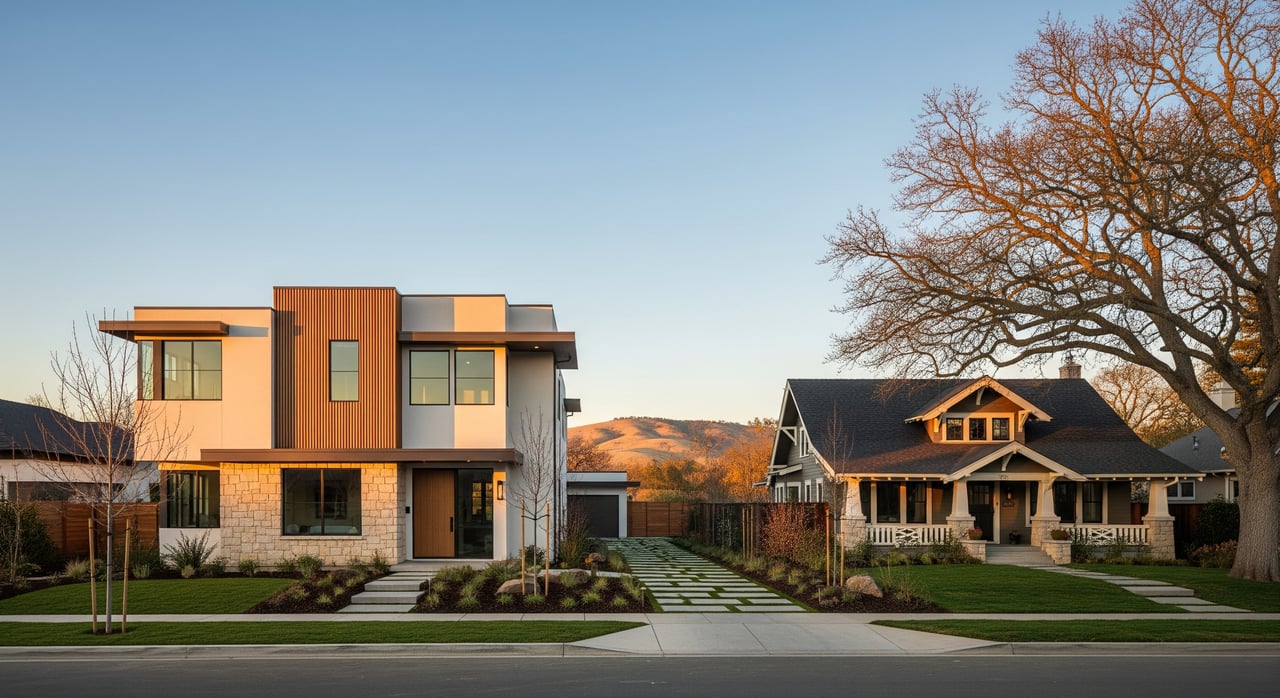
Should you buy a brand-new home or a resale in Rocklin? It is a big choice with real budget, timing, and lifestyle trade-offs. You want the right fit for your family and your finances, not surprises after closing.
In this guide, you will learn how new construction and resale homes differ on total cost of ownership, timelines, warranties, incentives, and financing. You will also get a practical checklist and the key documents to request before you sign anything.
Let’s dive in.
Rocklin market context to consider
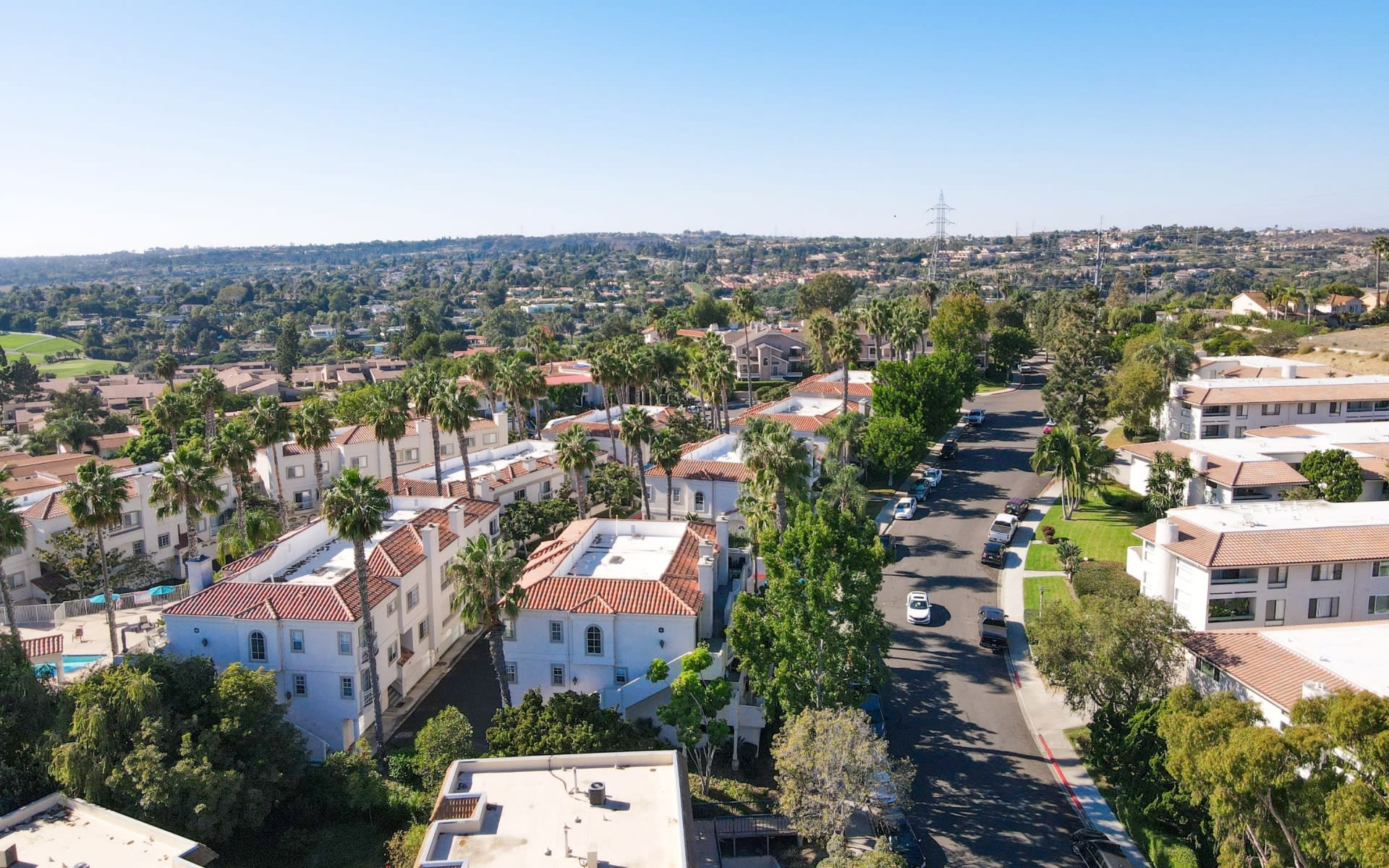
Rocklin offers a mix of established neighborhoods and expanding subdivisions. That means you will likely see both new-build opportunities and well-kept resales in the same search.
Commute routes like I-80 and Highway 65, school attendance boundaries, and access to everyday amenities can shape your short list. If these items matter to you, confirm details with local authorities and your lender early in the process.
Because market conditions change quickly, ask your agent for current local data on median prices, inventory, and days on market. Your strategy can shift depending on whether builders are offering incentives or resale listings are moving fast.
Total cost of ownership: beyond sticker price
A purchase price is only one piece of what you will pay over time. Focus on the full picture: mortgage, property taxes, any Mello-Roos/CFD taxes, HOA dues, utilities, maintenance, and insurance.
Purchase price and upgrades
New construction often carries a higher base price per square foot. Many buyers also add options such as flooring, counters, lighting, and smart features. Some builders include front landscaping, while others deliver a yard you will finish later. Budget for window coverings, fencing, and backyard work if not included.
Resale homes may price below new on a per-square-foot basis, but plan for near-term repairs and updates. A roof, HVAC, or appliance replacement can shift year-one costs even if your purchase price is lower.
Property taxes, supplemental bills, and Mello-Roos
In California, property taxes are generally about 1 percent of assessed value plus voter-approved local taxes. When you buy, the assessed value typically resets to your purchase price. For new homes, counties often issue supplemental assessments that reflect the added value of new improvements.
Many newer subdivisions include Community Facilities District taxes, commonly called Mello-Roos. These are added to the annual property tax bill and can be significant. Always request the CFD disclosure and schedule during escrow so you can include these amounts in your monthly budget.
HOAs, utilities, and insurance
New communities frequently have HOAs with monthly dues that cover shared spaces and amenities. Review the HOA budget, rules, and reserve study so you understand current dues and the outlook for future assessments.
New homes are built to current energy standards, which can reduce utility costs compared with older housing. If solar equipment is included, confirm whether you will own the system or assume a lease or power purchase agreement.
Insurance on newer homes can be lower because systems and materials are new. For older homes, insurers may ask for updates to roofing, wiring, or plumbing.
Timelines and move-in certainty
Resale homes typically close in 30 to 45 days, depending on financing and contingencies. You can schedule inspections quickly, negotiate repairs or credits, and plan your move with more certainty.
New construction timing depends on the stage of the home. A finished spec home can often close on a standard timeline after final permits and occupancy are issued. A to-be-built purchase can take months, and delays are common due to permitting, materials, or labor.
If your move date is firm, a resale or completed spec home usually offers more predictability. If you have flexibility and want to personalize finishes, a to-be-built plan might fit.
Warranties, inspections, and protections
New homes in California generally follow a “1/2/10” warranty framework: one year for workmanship and materials, two years for major systems, and ten years for structural elements. Confirm the exact warranty document, coverage, and claim procedures.
You can and should hire an independent inspector for new construction. Consider stage inspections such as pre-drywall and a final inspection. Ask for a documented final walkthrough and punch-list process so responsibilities and timelines are clear.
Resale homes follow standard disclosure and inspection practices. You will receive seller disclosures and can negotiate repairs, credits, or price based on your findings.
Negotiation and builder incentives
Resale negotiations hinge on inspection results, comparable sales, and the seller’s timeline. You may be able to secure price reductions, credits, or repairs.
Builders adjust incentives as the market shifts. In softer cycles, you may see rate buydowns, closing cost credits, appliance packages, or included upgrades. Incentives can be tied to using a preferred lender or title provider. Compare the effective cost after incentives and make sure any strings attached still work for you.
Financing differences to expect
Resale purchases typically use conventional, FHA, or VA financing. Appraisals rely on nearby comparable sales.
For new construction, financing depends on the stage. Spec homes often finance like resales. To-be-built homes may require construction-to-permanent loans or staged deposits. In brand-new neighborhoods with few comps, lenders may adjust loan-to-value requirements. Get rate quotes from both the builder’s preferred lender and an outside lender so you can compare points, fees, and incentives.
Neighborhood fit and lifestyle factors
New subdivisions may offer planned amenities but limited mature trees and landscaping at first. Retail and services can lag early phases. Established neighborhoods offer known traffic patterns, existing landscaping, and immediate access to shops and services.
School assignments and capacity can influence location decisions for many buyers. Verify attendance boundaries and any planned changes directly with the school district.
Lot selection also matters. Consider sun exposure, noise sources, and grading. Premiums may apply for views or corner lots. Walk the area at different times of day to check traffic and lighting.
Your decision framework
Use this quick checklist to clarify priorities:
- Timeline: Need to move in 30 to 60 days? Favor resale or a finished spec home. Flexible timing and want design choices? Consider to-be-built.
- Budget and TCO: Map out mortgage, property taxes, any CFD/Mello-Roos, HOA dues, utilities, maintenance, and insurance. Include upgrades and landscaping for new builds or near-term repairs for resales.
- Features and efficiency: Prefer modern layouts, smart tech, and current energy standards? New construction. Want mature yards, established streets, or unique character? Resale may fit.
- Risk tolerance: Comfortable with construction delays or punch-list items? New build. Want inspection leverage and speed? Resale.
- Negotiation style: Looking for price flexibility and repair credits? Resale. Prefer structured incentives like rate buydowns or upgrades? Builder programs can help.
- Financing readiness: For to-be-built, confirm deposit structure, appraisal approach, and construction-to-permanent options early.
- Document review: For new, obtain warranty, HOA, and CFD schedules. For resale, review disclosures, permits for past work, pest reports, and system ages.
What to request before you sign
For new construction, ask for:
- Final purchase agreement with deposit and refund terms
- Full builder warranty and claim procedures
- Project map, lot plan, and any grading or landscaping plans
- HOA CC&Rs, budget, reserve study, and developer control timeline
- CFD/Mello-Roos disclosure and payment schedule
- Estimated utility costs and any solar contract terms
- Construction timeline with remedies for delays
For resales, ask for:
- Transfer disclosure statement and any known defect history
- Recent utility bills, maintenance records, and permit history for remodels
- Pest/termite report and roof/HVAC age and status
- HOA documents if applicable
- Comparable sales and a market analysis
Next steps
If you are early in your search, start by clarifying your move date and monthly budget based on total cost of ownership. Then decide whether new-build features or established-neighborhood certainty matters more. From there, your agent can align options and request the right documents so you avoid surprises.
If you want a calm, financially grounded plan that fits your timeline, connect with Marco Esquivel to map your next steps or request your free home valuation.
FAQs
Will a new Rocklin home cost less to operate?
- Generally yes; current energy standards and new systems often reduce utility costs, but request estimates or recent usage data for the specific home.
Do builders cover my property tax increases on new homes?
- No; you are responsible for property taxes and any supplemental assessments, so budget for these when reviewing your monthly costs.
How reliable are builder warranties in California?
- Most follow a “1/2/10” structure, but coverage and procedures vary; always get the full warranty document and understand how to file claims.
Can I get an inspection on a new-build home in Rocklin?
- Yes; hire an independent inspector for stages such as pre-drywall and the final walkthrough, and document punch-list items with the builder.
Are there hidden fees in new Rocklin communities?
- Possible; confirm any Mello-Roos/CFD taxes, HOA initiation fees, utility connection costs, and upgrade pricing before signing.
Which has better resale value in Rocklin: new or resale?
- There is no universal answer; lot, location, floor plan, and amenities drive long-term demand more than the age of the home.