Craving ocean breezes without giving up everyday convenience? Carlsbad blends a relaxed coastal rhythm with the comforts of a well-planned suburban city. If you’re weighing a move, you likely want clear answers on neighborhoods, schools, commutes, lifestyle, and what it really costs to live here. This guide walks you through the essentials so you can decide with confidence. Let’s dive in.
Why people choose Carlsbad
Carlsbad sits along the North County San Diego coast, bordered by Oceanside to the north and Encinitas to the south. You get beach access, a mild Mediterranean climate, and a strong mix of parks, trails, and community amenities. Many residents work in local tourism and tech clusters or commute to larger job centers across the region. The city’s size and services make daily life straightforward while keeping that breezy beach-town feel.
Neighborhoods at a glance
Finding the right neighborhood starts with your lifestyle, commute needs, and preferred home type. Here are well-known areas to explore.
Carlsbad Village
If walkability tops your list, the Village offers a compact downtown with shops, cafes, galleries, and frequent community events. Housing ranges from beach cottages and small condos to low-rise apartments, all near the sand. It’s a good fit if you prioritize an active coastal lifestyle and easy access to dining and entertainment.
South Carlsbad and Tamarack
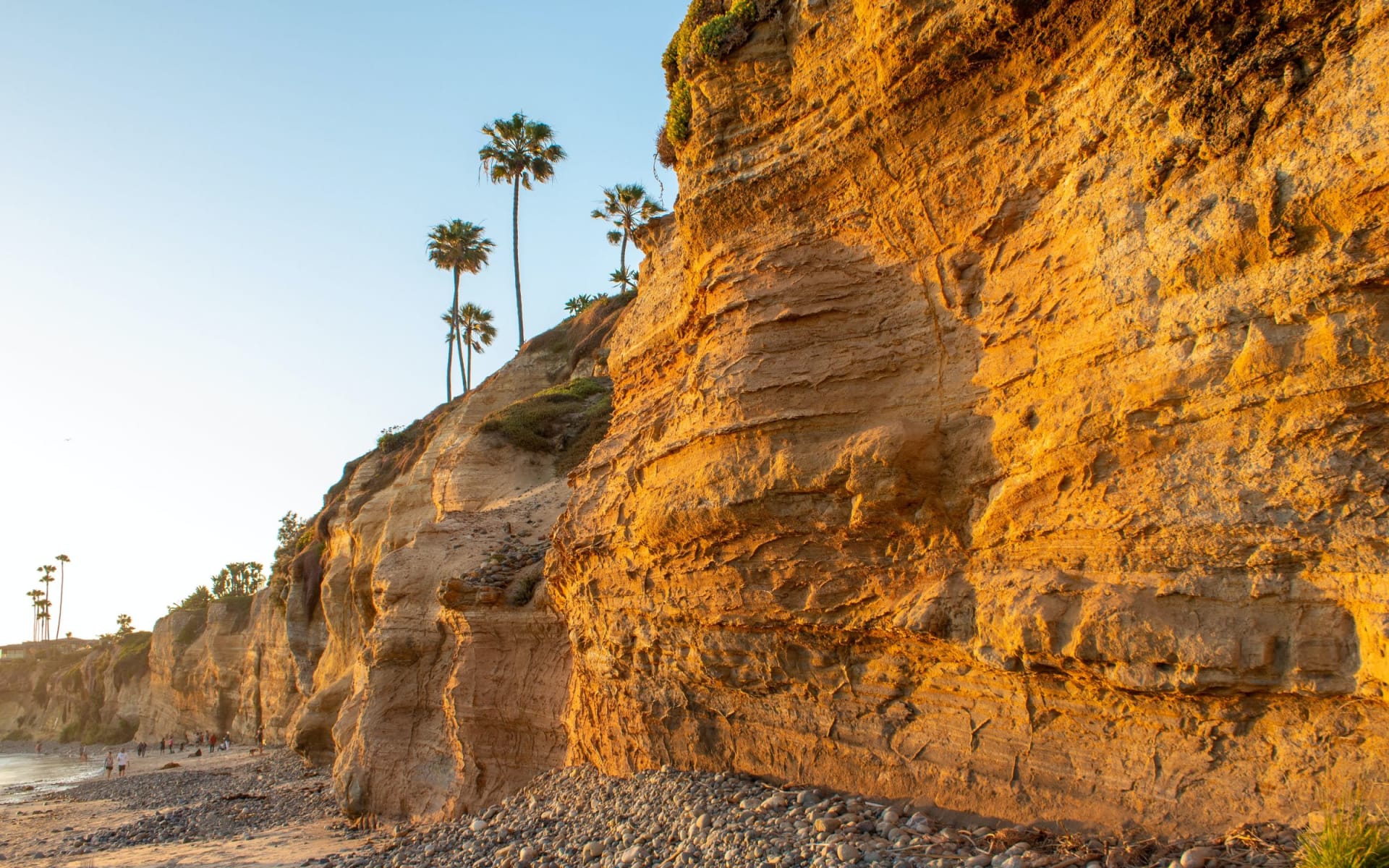
South Carlsbad lines some of the most popular surf and family beaches. Expect a mix of older cottages, condos, and single-family homes close to the shoreline. Daily life here often revolves around the water, with quick access to parks and coastal trails.
La Costa and Aviara
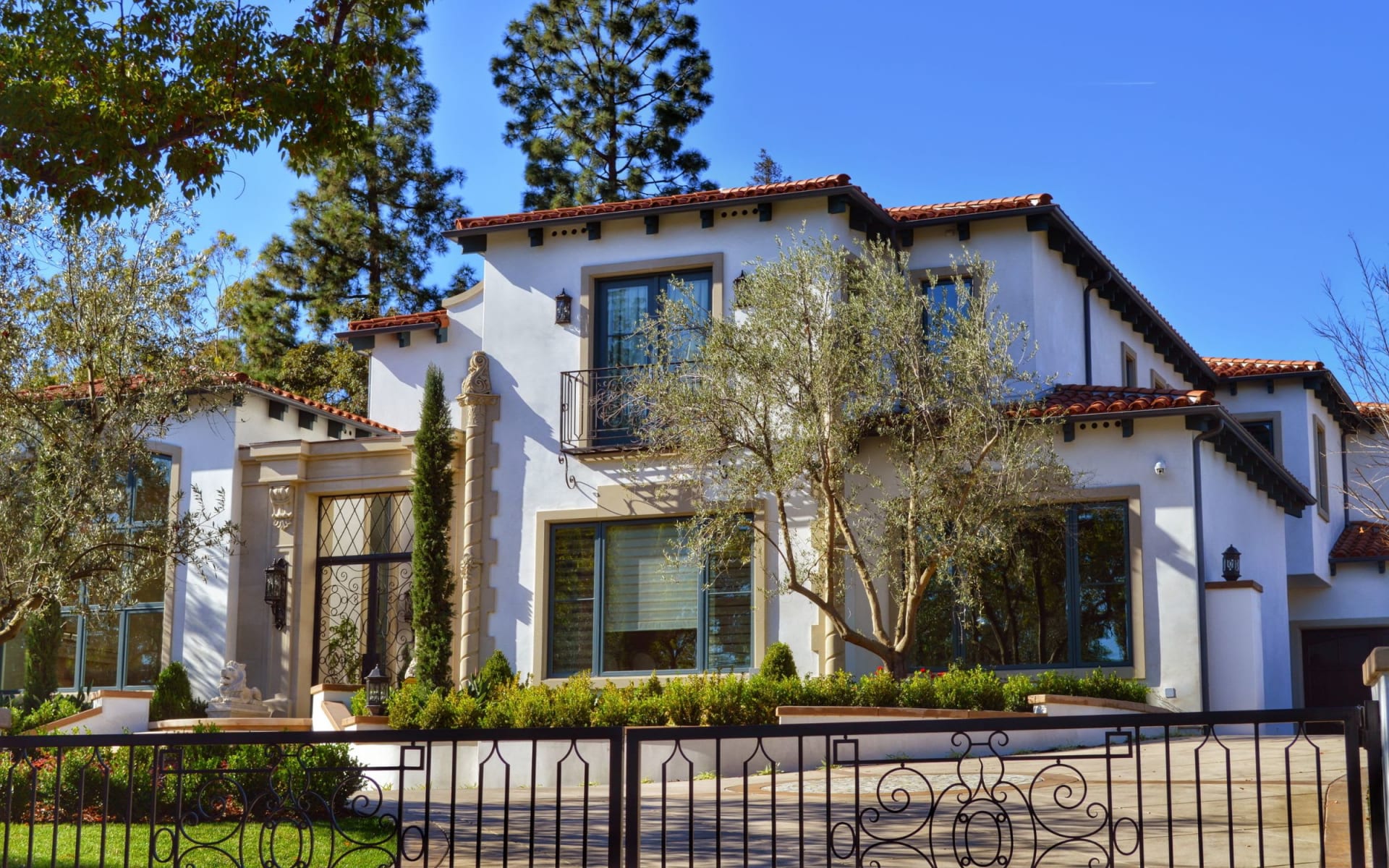
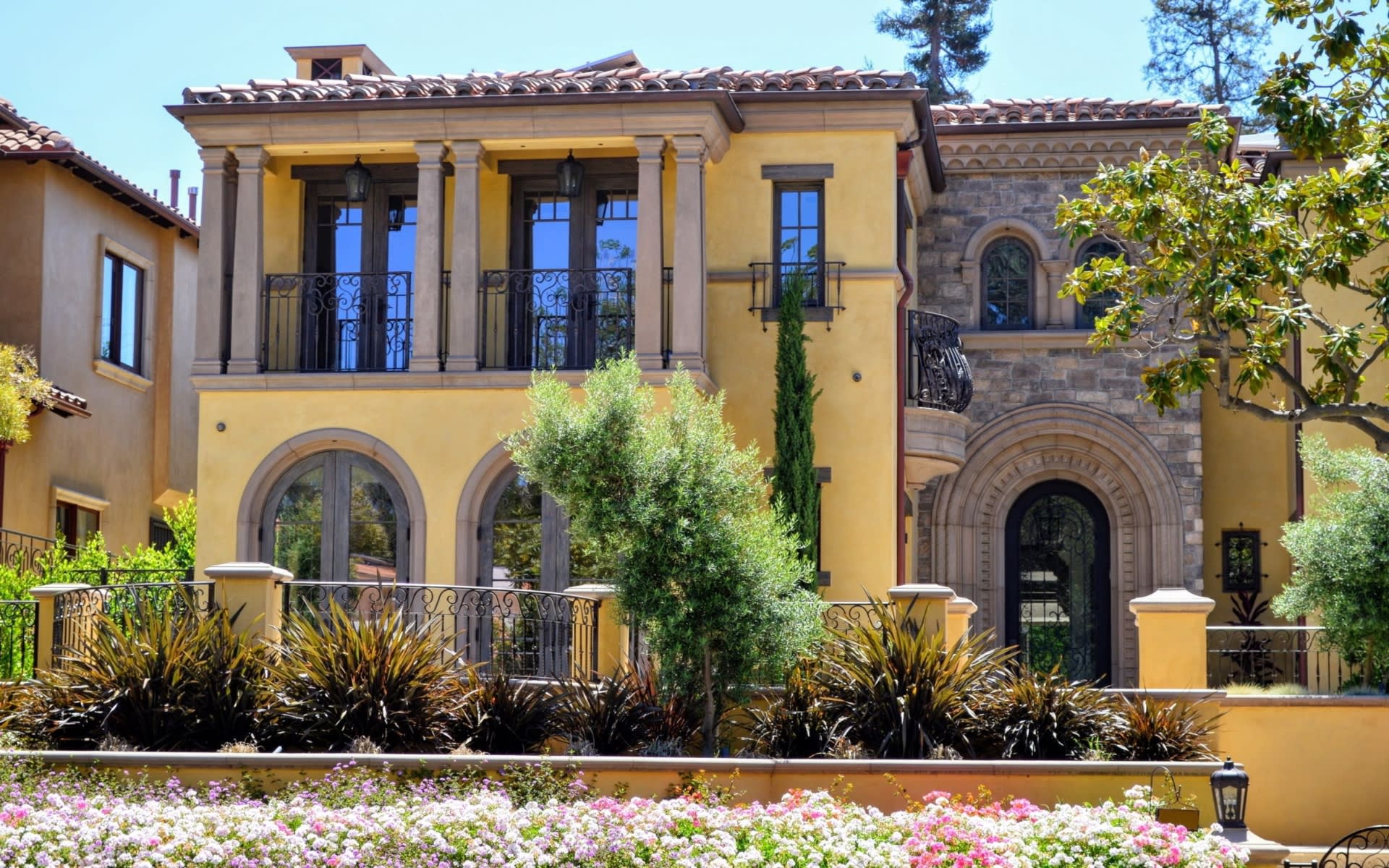
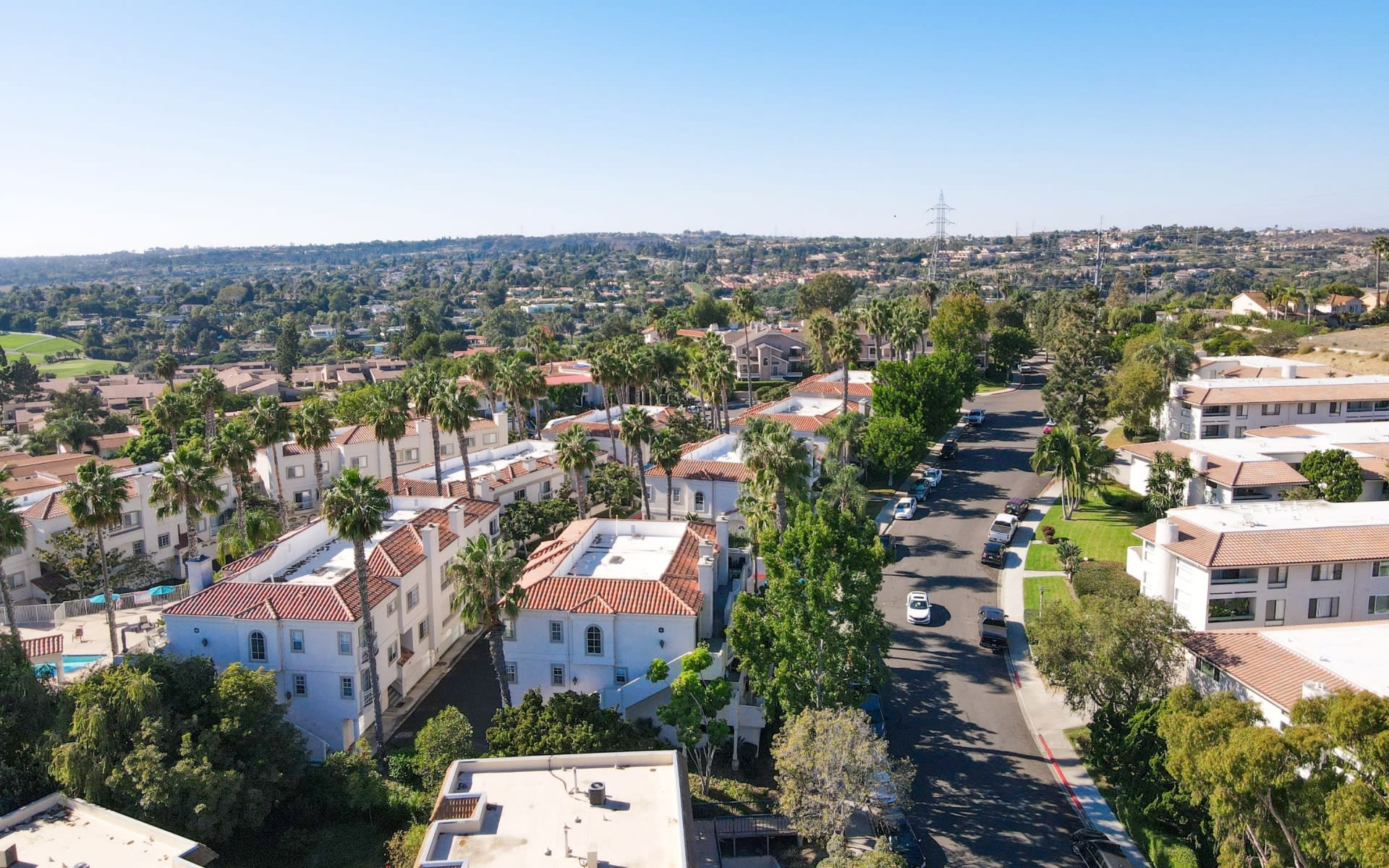
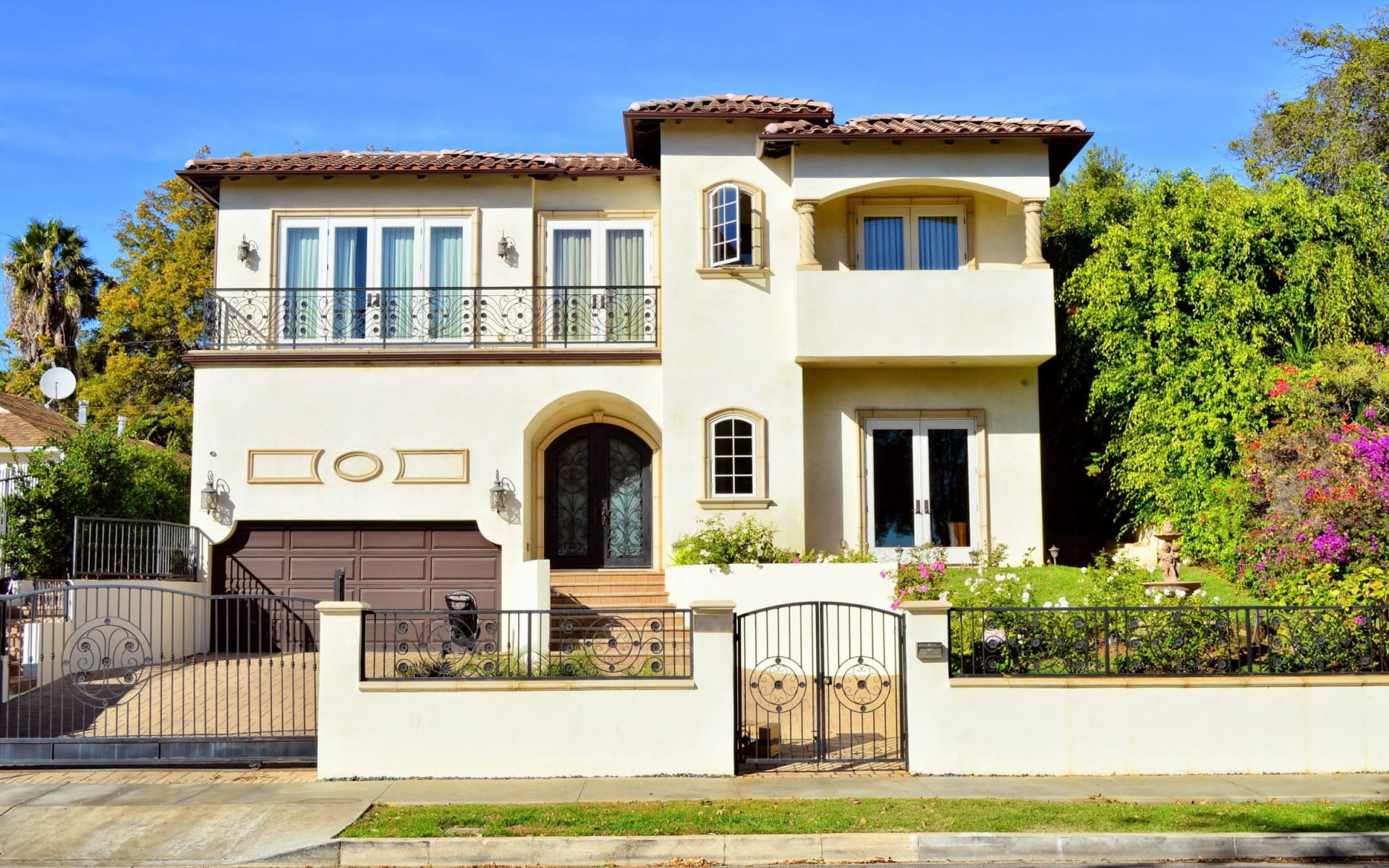
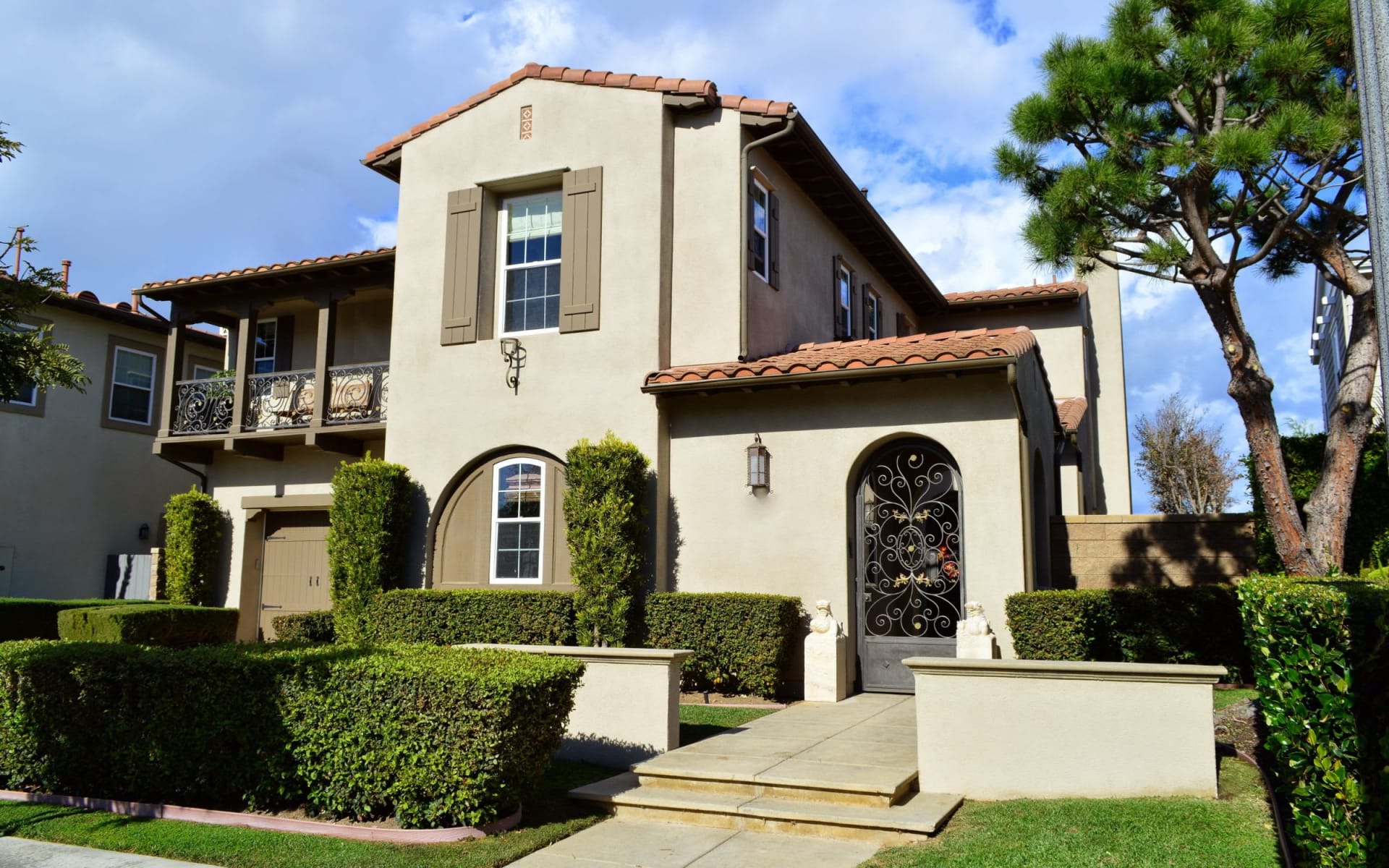
These planned and resort-adjacent communities feature larger lots, golf course amenities, and newer single-family homes alongside gated enclaves. Architectural styles lean Mediterranean, Spanish, and contemporary. If you want upscale suburban comfort with resort conveniences nearby, this area may suit you.
Bressi Ranch and Calavera Hills
You’ll find newer master-planned communities, parks, and trail networks that support a suburban lifestyle. Housing is primarily single-family homes and townhomes with neighborhood green spaces. These areas appeal if you want community amenities and newer construction.
Rancho Carrillo and eastern enclaves
On the eastern side of Carlsbad, you’ll see smaller enclaves and semi-rural pockets with a quieter feel. Homes vary from planned subdivisions to parcels with more space, plus access to inland preserves and trail systems.
Outdoor life and local fun
Carlsbad’s natural and cultural amenities shape everyday life. Beaches like Carlsbad State Beach and South Carlsbad State Beach draw surfers, swimmers, and families. The Agua Hedionda and Batiquitos lagoons add trails, birdwatching, and opportunities to kayak or paddle where allowed.
If you enjoy hiking and running, preserves such as Calavera Lake offer miles of paths. Golfers can choose from resort courses that anchor the La Costa and Aviara areas. For family-friendly attractions, LEGOLAND California and the seasonal Flower Fields are local landmarks. You’ll also find the Museum of Making Music, the Carlsbad 5000 race, and a busy schedule of Village events and fairs.
Schools and learning options
Carlsbad Unified School District serves most public K–12 students in the city. Boundaries and school performance can change over time, so it’s best to confirm current details directly with the district. Several private and parochial schools are available within short drives in North County.
For higher education, you have multiple options within commuting distance, including MiraCosta College, California State University San Marcos, and UC San Diego. Many residents choose Carlsbad for a balanced environment that supports education, recreation, and community engagement.
Getting around: roads and transit
Two major freeways make regional trips straightforward. I-5 runs north and south along the coast, while CA-78 connects you east and west across North County. Commute times vary widely based on time of day and destination, and seasonal traffic can add delays.
For public transit, the COASTER commuter rail serves Carlsbad Village and Carlsbad Poinsettia stations, connecting to coastal cities and downtown San Diego. Local BREEZE buses fill in short trips within Carlsbad and to neighboring communities. If transit will be part of your routine, preview routes and schedules at your typical travel times and plan for last-mile connections from the stations.
Housing types and what to expect
Carlsbad’s housing stock spans vintage cottages near the coast, mid-century homes in older subdivisions, and newer builds in master-planned communities. Single-family homes are common inland and in resort-adjacent areas, while condos and townhomes cluster near the Village and along key corridors. You’ll see beach bungalows, ranch styles, Mediterranean and Spanish designs, and contemporary architecture, including custom homes in select gated neighborhoods.
Accessory dwelling units have become more common as owners add flexible living spaces. Infill townhomes and condos near transit and shopping continue to evolve the city’s mix of options.
From a budget standpoint, Carlsbad is an expensive market compared with national averages and many inland parts of San Diego County. Well-located homes often draw strong interest, particularly at lower price points for condos and townhomes. If you are renting first, note that coastal North County rents typically sit above the U.S. average and can fluctuate with local employment and seasonal demand.
Ownership costs and due diligence
Before you buy, factor in ongoing costs and local regulations. Property taxes in California are generally capped by state law, with local assessments added in some areas. Planned communities may include Mello-Roos and homeowners association fees that cover shared amenities and services. Always review these line items at the property level.
Insurance can be influenced by location. Coastal properties may face considerations tied to erosion or flood exposure, and inland hills can have wildfire risk that affects premiums. If a property is near a lagoon or in a low-lying zone, check its flood status and any related insurance needs. For bluff-top or shoreline-adjacent homes, ask about coastal setbacks, stability, and permitting requirements.
Some parts of Carlsbad fall under the California Coastal Act and the city’s Local Coastal Program. That means new development or major remodels near the shore may require additional review. City housing policies also guide where and how new homes are planned, especially around transit corridors. Your goal is simple: understand the rules before you commit so your plans are feasible.
Here is a quick due diligence checklist:
- Confirm school boundaries and enrollment with the district.
- Review HOA rules, fees, and any Mello-Roos assessments.
- Check FEMA flood maps and ask about any flood insurance needs.
- Investigate coastal bluff conditions and required setbacks if relevant.
- Preview commute routes and transit options at your typical hours.
- Price insurance based on the specific address and risk profile.
Who Carlsbad fits best
- Families: You’ll appreciate neighborhood parks, trails, and a range of home sizes, with public schools operated by Carlsbad Unified School District.
- Coastal lifestyle seekers: Village and beach-area homes provide walkable access to the shoreline, dining, and local events.
- Professionals and commuters: Transit-friendly hubs and proximity to I-5 and CA-78 support regional access, especially if you split time between local offices and larger job centers.
- Empty nesters and retirees: Condos and townhomes offer maintenance-light living near golf, resorts, and year-round outdoor activities.
Smart planning tips
Scout neighborhoods at different times of day to understand traffic, noise, and parking.
Test your commute or COASTER route during peak hours so expectations match reality.
Walk the parks, lagoons, and beaches you expect to use most. It will clarify what “daily life” really looks like.
Run the numbers for total cost of ownership, including taxes, insurance, HOA or Mello-Roos, utilities, and routine maintenance.
Partner with an advisor who blends local insight with financial clarity so your decision supports your long-term goals.
If you want a clear, step-by-step path to buying or selling in Carlsbad, reach out for personalized guidance rooted in financial discipline and local know-how. Connect with Marco Esquivel to talk timing, strategy, and next steps.
FAQs
What are the main Carlsbad neighborhoods and how do they differ?
- Coastal Village areas offer walkability and beach access, La Costa and Aviara feature resort-adjacent planned communities, Bressi Ranch and Calavera Hills provide newer suburban options, and eastern enclaves like Rancho Carrillo offer quieter settings.
How do Carlsbad commutes to downtown San Diego work?
- You can drive via I-5 or ride the COASTER from Carlsbad Village or Poinsettia stations, with timing dependent on time of day, destination, and last-mile connections.
What budget do I need for a Carlsbad home versus a condo?
- Carlsbad is expensive relative to national averages, with stronger competition near the coast and for entry-level condos, so plan for a range and verify current prices with up-to-date market data before you shop.
How are public schools organized in Carlsbad?
- Carlsbad Unified School District operates local public schools, and you should confirm current boundaries, enrollment, and programs directly with the district when evaluating a home.
How does coastal erosion or sea-level rise affect ownership?
- Properties near bluffs or low-lying coastal zones may face additional due diligence, insurance considerations, and permitting under the city’s Local Coastal Program, so review setbacks and site conditions.
What outdoor activities define life in Carlsbad?
- Beaches, lagoon trails, and parks set the tone, with surfing, swimming, hiking, kayaking where allowed, golf at resort courses, and seasonal events like the Flower Fields and community fairs.
Are HOA or Mello-Roos fees common in Carlsbad?
- Many planned communities include HOA fees, and some neighborhoods have Mello-Roos assessments that fund infrastructure, so review all disclosures for property-specific costs.
How walkable is Carlsbad Village day to day?
- The Village is one of Carlsbad’s most walkable areas, with shops, restaurants, services, and events within a compact downtown near the beach, though walkability varies by block and exact address.