Wondering how to price your Roseville home without leaving money on the table or scaring buyers away? You are not alone. In today’s market, the right list price is less about picking a big round number and more about reading local demand, buyer payment limits, and your home’s exact position in the neighborhood. If you want to price with more confidence and fewer surprises, this guide will show you what matters most. Let’s dive in.
Roseville pricing starts local
Roseville is still a competitive market, but it is not moving at the same pace as the peak frenzy of the past few years. According to Redfin’s Roseville housing market data, the median closed sale price was $625,836 in February 2026, homes spent about 31 days on market, and sellers received 3 offers on average. Redfin also reported a 99.2% sale-to-list ratio, which suggests well-priced homes are still selling close to asking.
Listing-side data tells a similar story. Realtor.com’s Roseville market overview showed a $650,500 median listing price, about 760 homes for sale, 32 days on market, and a 100% sale-to-list ratio in February 2026. The exact numbers differ because one source tracks closings and the other focuses on listings, but both point to the same takeaway: pricing still matters, and buyers are not ignoring homes that are positioned correctly.
Why overpricing is riskier now
A few years ago, some sellers could price high and still expect immediate traffic. Today, buyers are more payment-sensitive. Freddie Mac reported a 30-year fixed mortgage rate of 6.37% on April 9, 2026, which means monthly cost plays a major role in what buyers can actually afford.
That matters because buyers do not shop by list price alone. They shop by monthly payment. If your price stretches beyond what buyers feel comfortable carrying, your home can lose momentum early, even if the number seems reasonable on paper.
Inventory is still somewhat constrained, but that does not mean buyers will overlook a pricing mismatch. Freddie Mac has also noted a mortgage rate lock-in effect, with nearly 6 in 10 borrowers holding rates at or below 4%. That shortage of available homes supports values, but it does not erase affordability pressure.
Use a CMA, not a guess
A strong pricing strategy should begin with a comparative market analysis, or CMA. According to the National Association of Realtors consumer guide, pricing should reflect your home’s size, location, amenities, and condition, along with current market conditions, neighborhood changes, and buyer preferences.
A CMA is not about finding one magic number. It is about identifying a realistic price range based on recent sales and current competition. Realtor.com’s CMA overview explains that the best analysis looks at recently sold homes nearby, then adjusts for differences like square footage, bed and bath count, age, and features. It also uses active listings and pending homes as context.
That range matters because pricing at the top, middle, or bottom of it can lead to very different outcomes. You may get more traffic and stronger urgency at one end of the range, or more negotiation room and a longer timeline at the other. The right choice depends on your home and your goals.
Roseville micro-markets matter
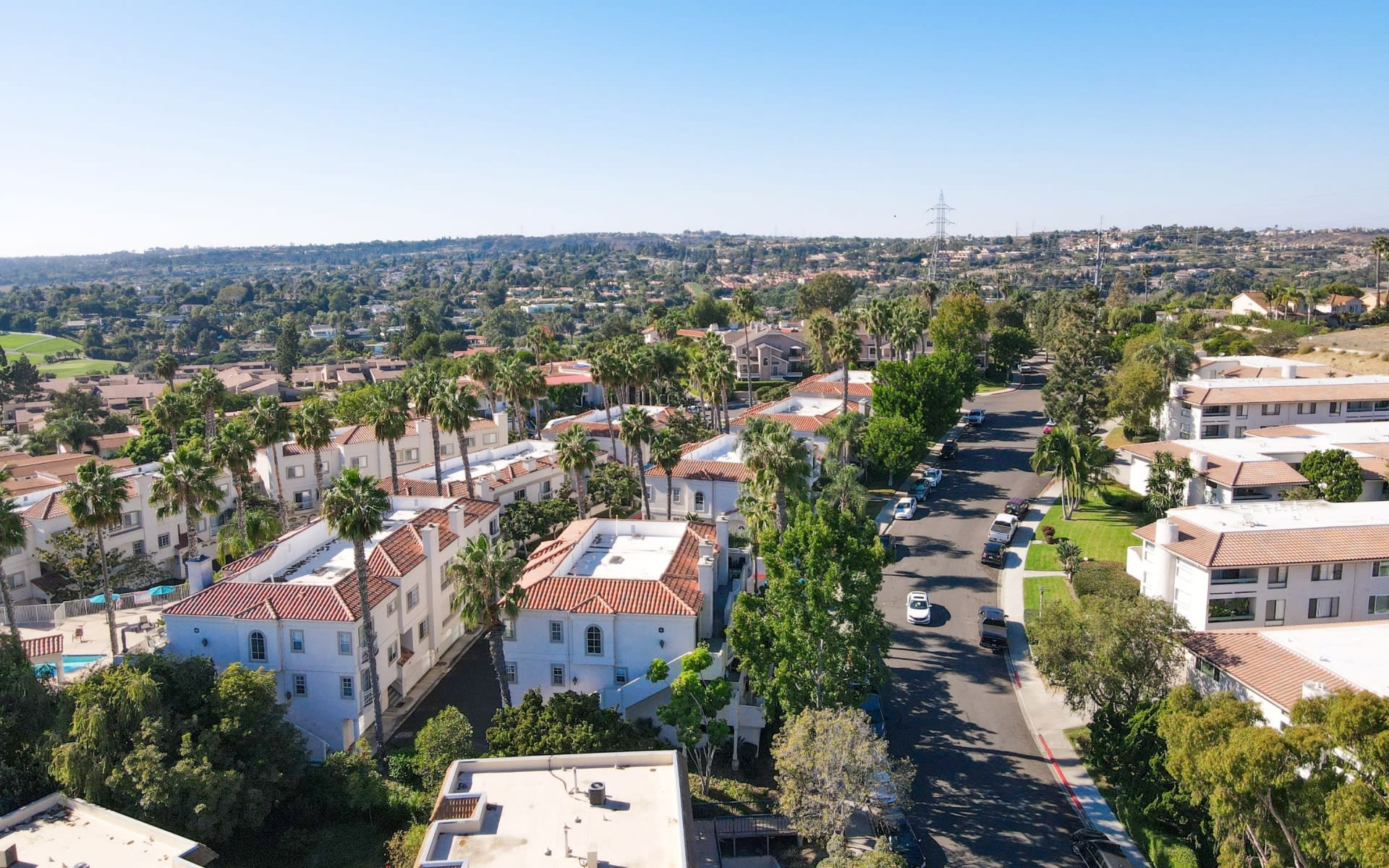
One of the biggest pricing mistakes you can make is relying too heavily on the citywide median. Roseville has meaningful variation by area, and buyers notice those differences quickly.
For example, Realtor.com’s neighborhood snapshot for Roseville shows median listing prices of about $849,900 in East Roseville Parkway with 17 days on market, $694,000 in Diamond Oaks with 18 days on market, $619,900 in Westpark Village with 40 days on market, $580,000 in Sun City with 33 days on market, and $549,000 in Blue Oaks with 26 days on market. Zip code medians also vary, from about $740,000 in 95661 to $549,999 in 95678.
That spread tells you something important. Buyers are not valuing all Roseville homes the same way. Your price should be based on your micro-location, not just a broad city average.
Condition can shift your value fast
In Roseville, age and updates can move the price more than many sellers expect. Placer County reports that much of the housing stock in its incorporated cities was built in the 1990s and 2000s. That makes the difference between original condition and updated condition especially important.
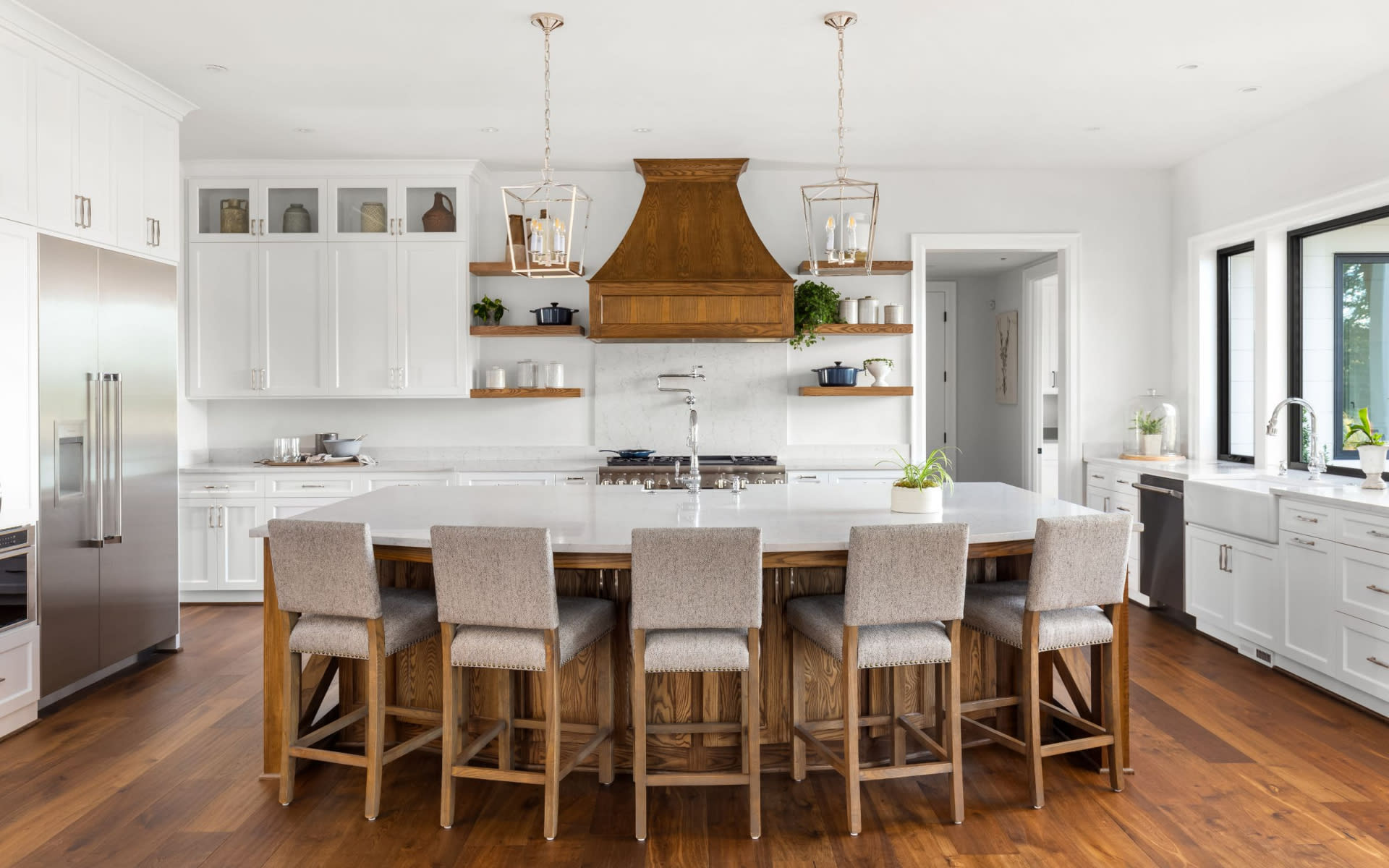
If your home has a remodeled kitchen, improved baths, newer flooring, fresh paint, or well-maintained systems, that may support a stronger position within the comp range. If it needs cosmetic work or deferred maintenance is visible, buyers may discount their offers to account for that. In a market where many homes are similar in age and layout, presentation and upkeep can strongly influence the final number.
Monthly costs affect buyer behavior
Your list price is only part of the affordability picture. In some Roseville areas, buyers also weigh Mello-Roos or other special assessments when calculating monthly payment.
The City of Roseville explains that some neighborhoods pay Mello-Roos through the mortgage, and the California property tax framework generally includes 1% plus voter-approved bonded indebtedness. Even if two homes have similar list prices, the one with higher carrying costs may feel less affordable to buyers.
This is where a financially grounded pricing strategy helps. If your home’s monthly ownership cost is higher than nearby alternatives, the list price may need to reflect that reality.
Local projects can influence perception
Pricing also benefits from understanding what is happening around your area. Roseville has several city projects underway or planned, including the Roseville Parkway widening project and corridor improvement efforts, along with continued work on Dry Creek Greenway East.
These projects do not create an automatic price premium on their own. Still, infrastructure, access, and visible reinvestment can shape how buyers perceive convenience and long-term appeal near affected corridors. That is another reason neighborhood-level pricing beats a one-size-fits-all approach.
Choose your goal first
Before you settle on a list price, decide what matters most to you. Are you trying to move quickly, or are you willing to test the upper edge of the market for a shot at top dollar?
The National Association of Realtors notes that sellers who need to move quickly may need a more competitive price. In Roseville, homes are averaging roughly 31 to 32 days on market, which means even healthy listings are not necessarily selling overnight.
If speed is your top priority, pricing tightly around the strongest comp-supported range can help you attract better early traffic. That early momentum matters. Buyers often respond most strongly when a home feels fresh, aligned with value, and ready to show well.
If your goal is maximum price, a higher ask can make sense when your home has obvious advantages. That could include a premium lot, standout updates, strong curb appeal, or features that are hard to find in nearby listings. The tradeoff is that a higher price may mean more time on market and a greater chance of price reductions or tougher negotiations.
Look at outcomes, not just averages
Headline market stats are helpful, but actual sale results show why pricing strategy matters. Redfin’s recent Roseville examples included one home that sold 12% over list after 26 days, another that sold 3% under list after 36 days, and another that sold at list after 136 days. Those examples, reported in Redfin’s local market data, show that pricing and presentation can lead to very different outcomes.
This is why the best question is not, “What is the highest number I can put on the MLS?” A better question is, “What price gives me the best mix of buyer interest, negotiation strength, and net proceeds?”
A practical way to price your home
If you are getting ready to sell in Roseville, a disciplined pricing process usually looks like this:
- Review recent sold comps in your immediate area from the last few months.
- Compare active and pending listings to see your current competition.
- Adjust for size, layout, lot, age, upgrades, and condition.
- Factor in monthly carrying costs, including any special assessments.
- Decide whether your priority is speed, top dollar, or a balance of both.
- Choose a list price within the comp-supported range that matches that goal.
This approach is simple, but it is not casual. It takes local judgment, attention to detail, and a clear understanding of how buyers in today’s market evaluate value.
Price for the market you have
The Roseville market is still solid. Homes are selling close to asking, and buyers are active. But today’s buyers are also more selective, more payment-conscious, and more likely to compare your home carefully against nearby alternatives.
That means your price should reflect more than broad market confidence. It should reflect your exact neighborhood, your home’s condition, your monthly cost profile, and your timing goals. When those pieces line up, you give yourself a stronger chance at a smoother sale and a better overall result.
If you want a pricing strategy built on local comps, market data, and the financial side of the decision, Marco Esquivel can help you evaluate your Roseville home with a clear, disciplined approach.
FAQs
How should I price my Roseville home in today’s market?
- Start with a comparative market analysis based on recent nearby sales, active competition, your home’s condition, and your specific Roseville micro-location rather than relying only on the citywide median.
How long are Roseville homes taking to sell right now?
- Recent February 2026 data showed about 31 to 32 days on market in Roseville, which means well-priced homes are moving, but not instantly.
Does a CMA for a Roseville home equal an appraisal?
- No. A CMA is an agent’s market-based estimate using comparable sales and current listings, while an appraisal is a separate valuation process.
Should I price my Roseville home above recent comparable sales?
- Only if your home has clear advantages that are supported by comps and current buyer demand, because pricing too high can reduce showings and extend time on market.
What matters most when pricing a home in Roseville?
- The biggest factors are micro-location, condition, size, layout, lot characteristics, nearby competition, and monthly carrying costs such as taxes or special assessments.