When should you list your Roseville home to get the most attention and strongest offers? Timing matters, and the local market follows clear rhythms. If you plan 60 to 120 days ahead and align your prep with peak demand, you can sell faster and with more confidence. In this guide, you’ll learn the best months to list in Roseville, how to work backward from your target date, and the pricing and marketing moves that fit each season. Let’s dive in.
Roseville’s best time to sell
In Roseville, the strongest selling window is spring, typically March to June. You can expect more buyer showings, quicker sales, and tighter list-to-sale pricing during this period. Families aiming to move between school years often shop now, and many commuters or relocators step up tours as weather improves. New-home builders also tend to release or close groups of homes in spring and summer, which raises overall activity.
If you want the broadest buyer pool and the best shot at multiple offers, target spring. Build in 60 to 120 days of preparation so your home hits the market polished and priced right.
Strong secondary windows
- Early to mid summer: July to early August can still be productive, especially for households aiming to settle before the school year. Showings may dip during heat waves or vacations, so plan for morning and evening availability.
- Early fall: September to October is often a solid backup window. Buyers who missed spring, new hires relocating for work, and investors remain active. Inventory can tighten after summer, which helps standout listings.
Slower late fall and winter
Late fall through mid-winter, roughly mid-November to February, is typically slower. There are fewer weekend tours and holiday weeks can reduce open-house traffic. If you list now, lean on strong pricing discipline, warm and inviting staging, and options like pre-inspections or buyer credits to help your home stand out to a smaller but motivated pool.
Choose your target month first
Pick your list month, then plan backward. This keeps your prep focused and on schedule. Use 60 days for light touch-ups, 90 days for standard cosmetic updates and yard work, and 120 days if you need larger repairs or landscape improvements.
Timeline for a mid-May listing
- 120 days out (mid-January): Collect key documents, request a comparative market analysis, and review required California disclosures so you know what to prepare.
- 90 days out (mid-February): Consider a pre-listing home inspection, gather bids for repairs, and start decluttering and deep cleaning.
- 60 days out (mid-March): Complete repairs, schedule professional photos and a virtual tour, begin staging, and tune up landscaping and irrigation after winter.
- 30 days out (mid-April): Finalize pricing using the last 30 to 90 days of comps, confirm marketing dates, and set up flexible showing times.
- List mid-May.
Timeline for a late-August listing
- 120 days out (late April): Start documents, pricing review, and contractor outreach early, since spring vendor schedules fill fast.
- 90 days out (late May): Tackle repairs and landscaping while weather supports planting, and arrange photos during cooler hours.
- 60 to 30 days out: Stage, fine-tune pricing, and finalize marketing.
- List late August.
Pricing strategy by season
- Spring peak: Price competitively to draw the largest pool and encourage strong offers. Use fresh comps from the past 30 to 60 days.
- Summer: Keep pricing aligned with recent sales and emphasize comfort features in your marketing to support value.
- Fall and winter: Be realistic on list price, consider targeted incentives like credits toward closing costs or a rate buy-down, and use pre-inspections to reduce friction.
Market indicators to watch 60 to 120 days out
- Active inventory and months’ supply: Rising inventory favors buyers, while falling inventory favors sellers.
- Median price and list-to-sale ratio: Focus on closed comps from the last 30 to 90 days near your neighborhood.
- Days on market: Shorter days on market suggest a faster tempo and support firmer pricing.
- New-construction activity: Builder releases in master-planned areas like Fiddyment Ranch and West Park can affect competition and buyer choices.
- Mortgage rates: Rate changes can amplify or mute seasonality by altering buyer budgets and urgency.
Roseville-specific factors
- Commuter and relocation demand: Roseville shares rhythms with the larger Sacramento metro, and some buyers move in from the Bay Area. This supports strong spring activity but keeps year-round interest.
- Weather and curb appeal: Hot, dry summers and mild, wetter winters influence showing comfort and landscaping. In drought years, consider low-water plants and mulch, and highlight efficient irrigation.
- Air quality: Late summer and fall can bring smoke or air-quality events in some years. Be flexible with showings if conditions temporarily affect tours.
- Local water rules: Check current city or county water guidance before big yard projects so your improvements align with any restrictions.
Marketing and presentation that fit the season
- Spring: Feature lush curb appeal, bright natural light, and outdoor living. Professional photos on clear days help maximize interest.
- Summer: Keep the home cool and inviting. Emphasize AC performance, shade, and energy-efficient features. Offer tours in mornings and evenings.
- Fall and winter: Use warm lighting and seasonal but neutral staging. Spotlight recent system upgrades and utility-efficiency where relevant.
Open house and showing tips
- Spring weekends: Prioritize weekend open houses and offer flexible weekday evenings.
- Summer comfort: Pre-cool the home, provide cold water, and schedule showings when heat is lowest.
- Slower months: Focus on private, appointment-based showings that cater to motivated buyers such as relocations or job transfers.
Smart pre-listing projects with strong ROI
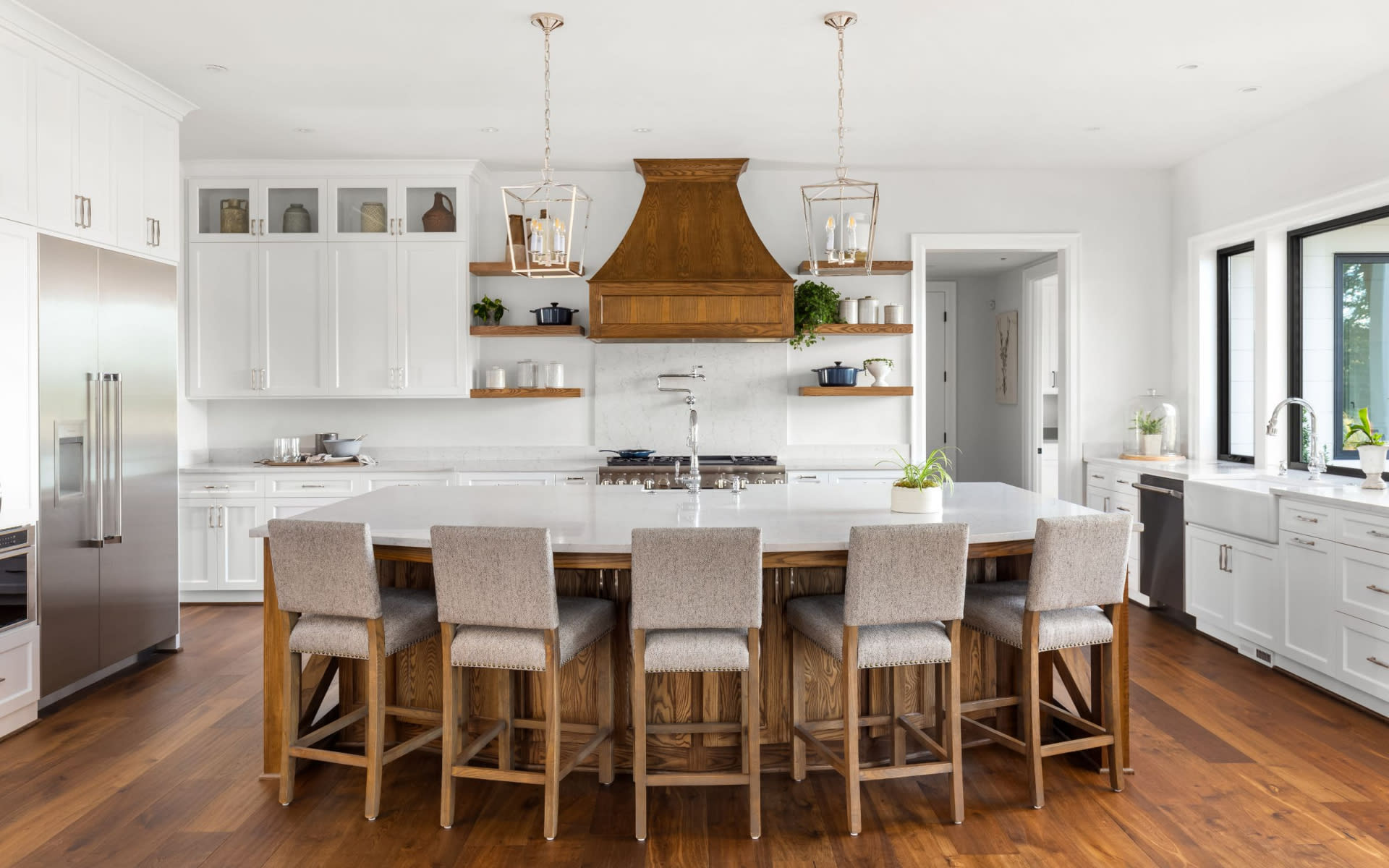
- Fresh paint in neutral tones, updated light fixtures, and minor kitchen or bath refreshes.
- Garage and attic organization to showcase storage.
- Curb appeal upgrades with low-water landscaping options that look good year-round.
- Professional or virtual staging, especially for vacant homes, to help buyers visualize scale and flow.
Putting it all together
If you can choose, aim to list in spring for maximum buyer traffic. If you miss spring, early fall is a strong alternative, and late summer can work well with thoughtful scheduling. The key is to set your target month, plan 60 to 120 days of preparation, and track inventory, comps, and rates so your pricing and marketing fit the moment.
Ready to map out your sale with a clear, step-by-step plan? Connect with Marco Esquivel to align timing, preparation, and pricing with Roseville’s market. Request your free home valuation and a custom timeline.
FAQs
Is fall a bad time to sell in Roseville?
- No. Early fall can be a solid secondary window with motivated buyers and often tighter inventory than summer.
Should you get a pre-listing inspection in Roseville?
- It depends on your goals and timing. Pre-inspections help reduce buyer objections and speed escrow, which is especially useful in slower months.
How do mortgage rates affect the best month to list?
- Rates are not seasonal, but shifts in rates can amplify or soften seasonal patterns by changing buyer budgets and urgency.
What if drought limits watering before listing?
- Plan low-water landscaping, use mulch and native plants, and highlight efficient irrigation and easy maintenance in your marketing.
When should you start prep if listing in May?
- Start 90 to 120 days ahead for repairs, landscaping, staging, and pricing so you hit the peak spring window polished and ready.